Why This Choice Matters
When your brake pads wear down, you've got a decision to make. You can go with genuine OEM parts from the vehicle manufacturer, or you can choose aftermarket replacements from independent suppliers. It's not just about price — there's real differences in how they perform, how long they last, and what happens if something goes wrong.
We're going to walk you through what each option actually means, what you get with each one, and how to figure out which makes sense for your situation.

Genuine OEM Parts — The Manufacturer's Choice
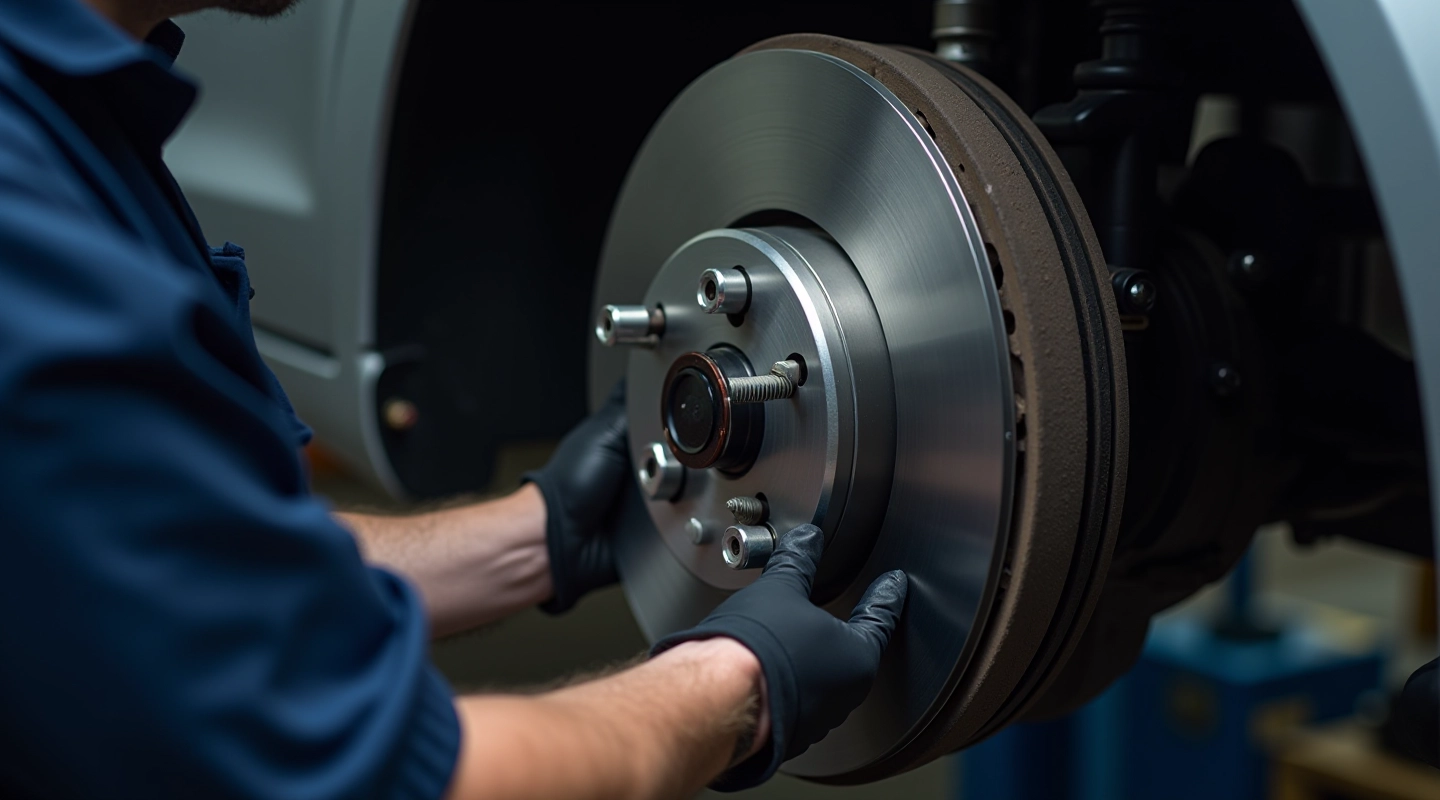
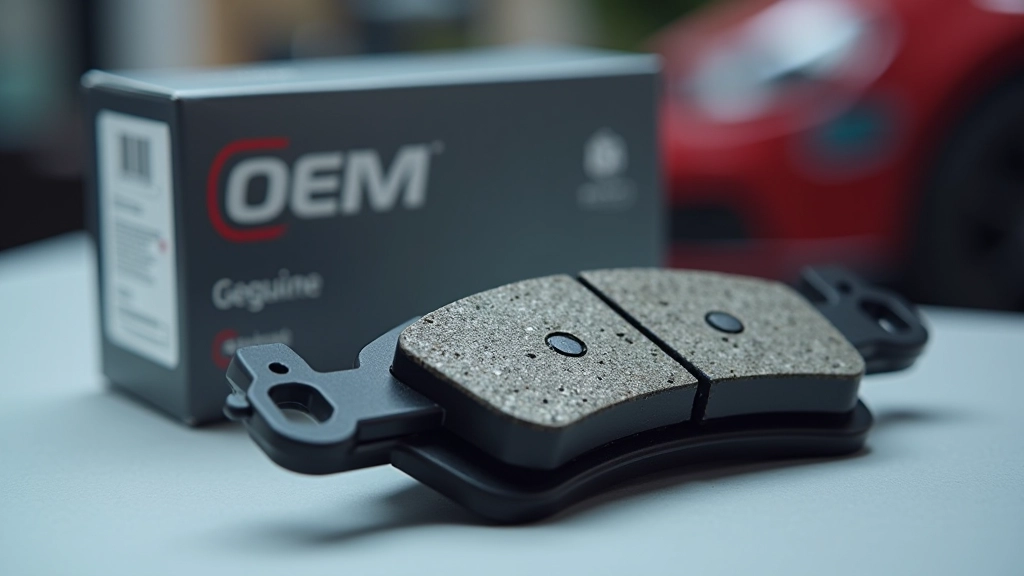
Genuine parts come directly from your vehicle's manufacturer. They're the exact same brake pads and discs that were installed when your car rolled off the assembly line. The manufacturer's engineers designed them specifically for your vehicle's braking system — its weight, suspension setup, and how the hydraulic system behaves.
Here's what you get with genuine parts:
- Exact fitment — no guessing, no modifications needed
- Material composition tested with your specific brake system
- Full manufacturer warranty, usually 2-3 years
- Consistent performance across batches
- Better resale value when you sell your vehicle
Aftermarket Parts — The Independent Alternative
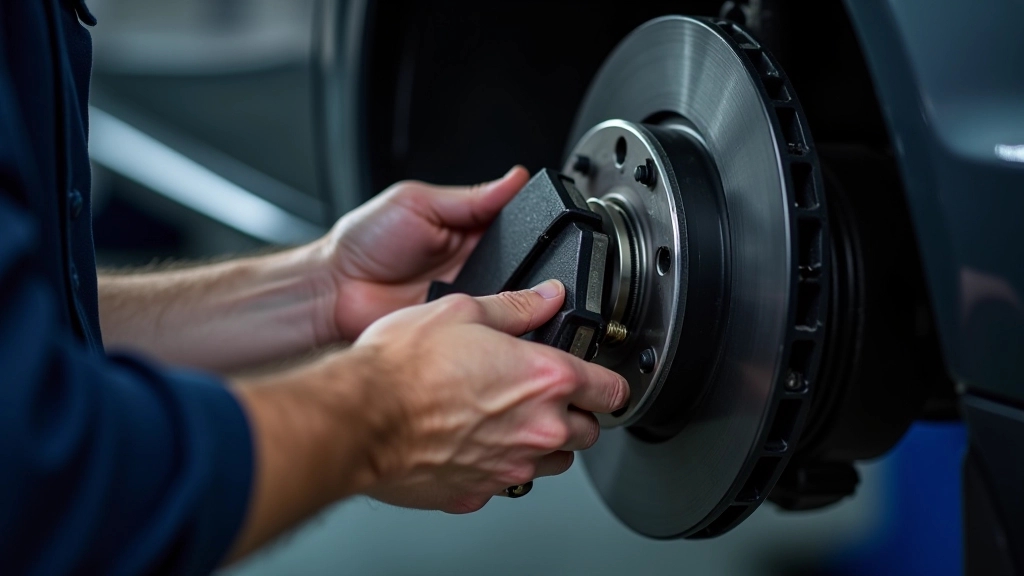
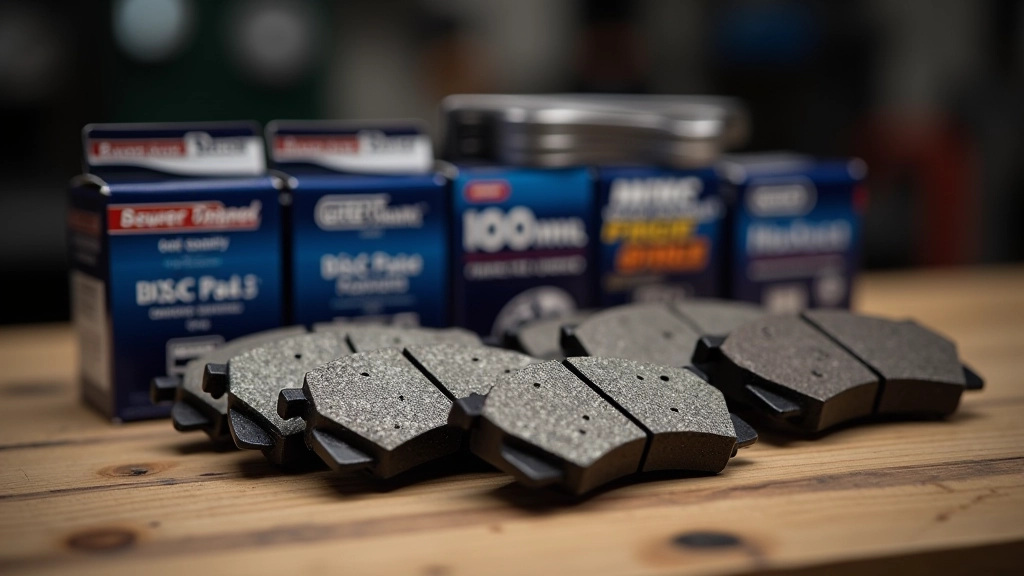
Aftermarket brake pads come from independent manufacturers who aren't owned by your vehicle's brand. They're designed to fit your vehicle model, but they're not made by the original manufacturer. Think of it like wearing shoes from a different brand that fit your shoe size — they'll work, but they weren't designed specifically for your feet.
Aftermarket parts offer some real advantages:
- Typically 30-50% cheaper than genuine parts
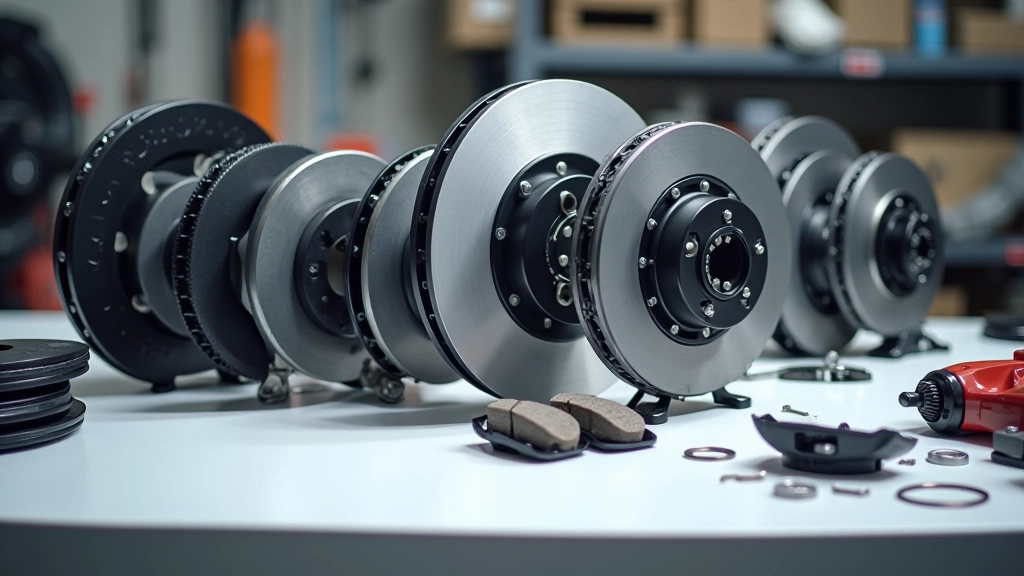
- Wide variety of options (premium, budget, performance-focused)
- Warranties vary by manufacturer (usually 1-2 years)
- Often readily available from local suppliers
- Some brands actually outperform genuine parts
Important Note on Brake Safety
Brake system safety is critical. This guide provides general information about brake parts. Always consult with a qualified mechanic or your vehicle's manufacturer for specific recommendations based on your vehicle model, driving conditions, and local regulations. Poor brake maintenance can affect vehicle safety.
The Real Differences — What You Actually Notice
Performance
Genuine
Consistent stopping power, predictable feel at the pedal. You're getting what the engineers originally specified.
Aftermarket
Varies widely. Some brands match or exceed genuine performance. Budget options might feel softer or require more pedal pressure.
Lifespan
Genuine
Usually 40,000-70,000 km depending on your driving style. You get the full expected life.
Aftermarket
Ranges from 30,000 km (budget) to 80,000+ km (premium brands). Quality really matters here.
Cost
Genuine
Higher upfront cost. A complete set can range from €120-300+ depending on your vehicle.
Aftermarket
Lower cost. Budget options start around €60-80 per set. Premium aftermarket rivals genuine pricing.
Warranty
Genuine
Manufacturer backed. Full warranty if defects occur within the coverage period.
Aftermarket
Supplier backed. Coverage varies. Some offer lifetime warranties, others 1-2 years.
Which Should You Choose?
The honest answer? It depends on your priorities and your vehicle's needs.
Go genuine if: You want maximum peace of mind and don't mind paying more. You've got a newer vehicle still under manufacturer warranty. You drive in harsh conditions (mountains, towing, heavy traffic). You plan to keep the car long-term and value consistency.
Consider aftermarket if: You're looking to save money on a vehicle that's paid off. You're willing to research specific brands and read reviews. You want options — premium brands often outperform genuine parts. You're planning to replace the vehicle within a few years.
One thing we'd recommend: don't automatically grab the cheapest option. Mid-range aftermarket pads from established brands often give you the best balance — better performance than budget options, and you're still saving versus genuine parts.

The Bottom Line
Genuine and aftermarket brake parts both have their place. Genuine parts offer certainty and manufacturer backing — you're getting exactly what was designed for your car. Aftermarket parts offer flexibility and savings, with quality that varies depending on the brand you choose.
What matters most is that you don't ignore brake wear. Whether you go genuine or aftermarket, getting fresh pads or discs when you need them keeps you and everyone on the road safer. Don't put off a brake replacement because you're undecided about which parts to use. A good mechanic can walk you through both options and help you decide what makes sense for your specific situation.
When it comes down to it, the best brake parts are the ones you actually get installed — and that you maintain properly going forward.