What's Happening to Your Brake Discs?
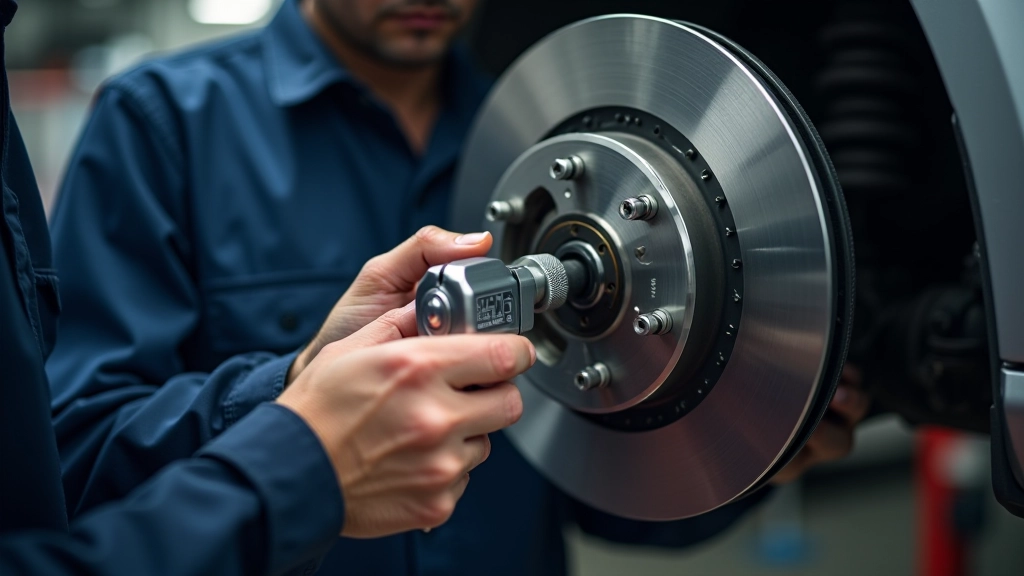
Your brake discs take a beating. Every time you stop, they're converting kinetic energy into heat while metal pads press against them with serious force. Over time, this friction wears the discs down — and when they get damaged, it's not something you can ignore.
The tricky part? You might not notice the damage until it's become a real safety issue. We're going to walk you through what disc damage actually looks like, how to spot the warning signs, and what your options are when replacement time comes around.
The Types of Brake Disc Damage You'll See
Not all damage is created equal. Some wear is normal and expected — that's why pads and discs need replacing. But other damage means your brakes aren't working as they should.
Scoring and Grooving
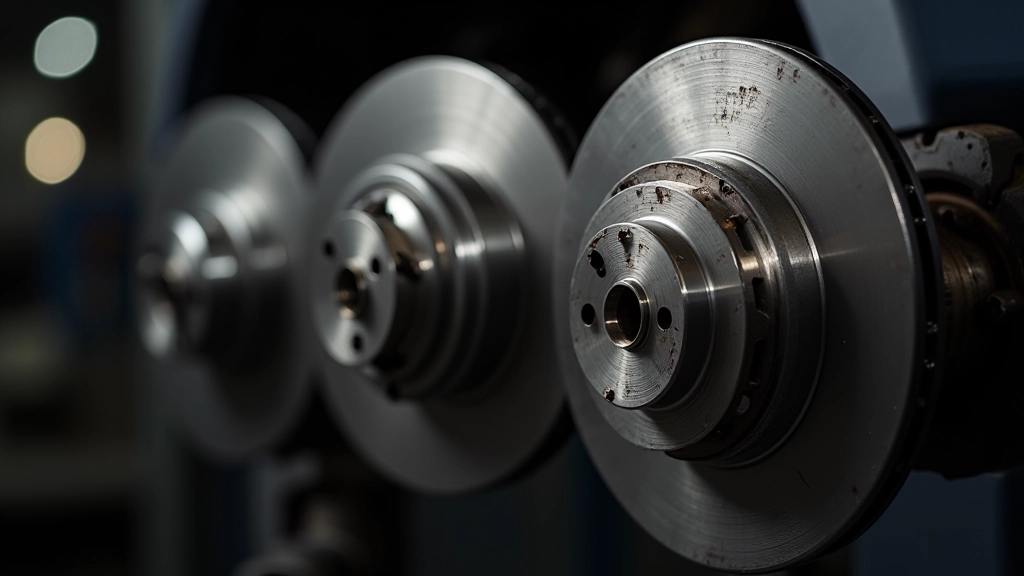
You'll see deep grooves running across the surface. This happens when brake pads wear down completely and metal-on-metal contact starts. It's rough to the touch and gets worse fast.
Cracks and Stress Fractures
Fine cracks radiating from the center, or stress fractures around the edges. These develop from repeated heavy braking, especially in mountainous areas or with towing. They're serious — the disc can fail suddenly.
Glazing and Heat Spots
The surface looks polished or shiny, sometimes with darker heat-affected areas. This reduces friction and means your brakes won't grip properly. You'll feel it as soft, spongy braking.
Warning Signs You Can't Ignore
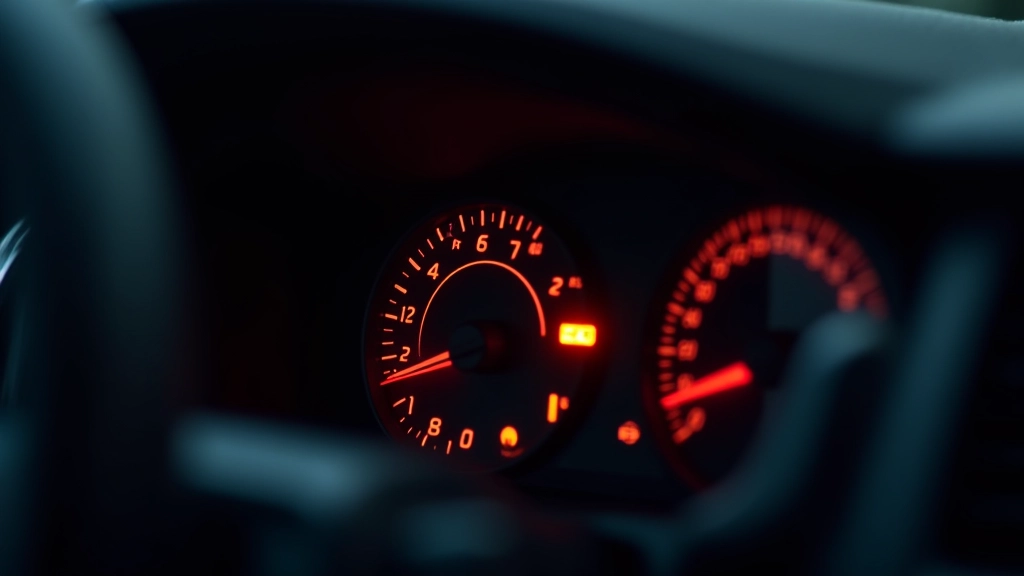
Your car will tell you something's wrong. Pay attention to these signals — they're your early warning system.
Pulsing or Vibration
When you brake, the pedal pulses under your foot or the steering wheel shakes. This means the disc has become uneven or warped — friction isn't consistent.
Grinding Noise
A metallic grinding sound when braking means pads are gone and metal's touching metal. This is urgent — your discs are getting damaged right now.
Soft or Spongy Brake Pedal
The pedal goes almost to the floor before brakes engage, or it feels mushy. Glazed discs can't create enough friction to stop you properly.
Visible Wear or Thinning
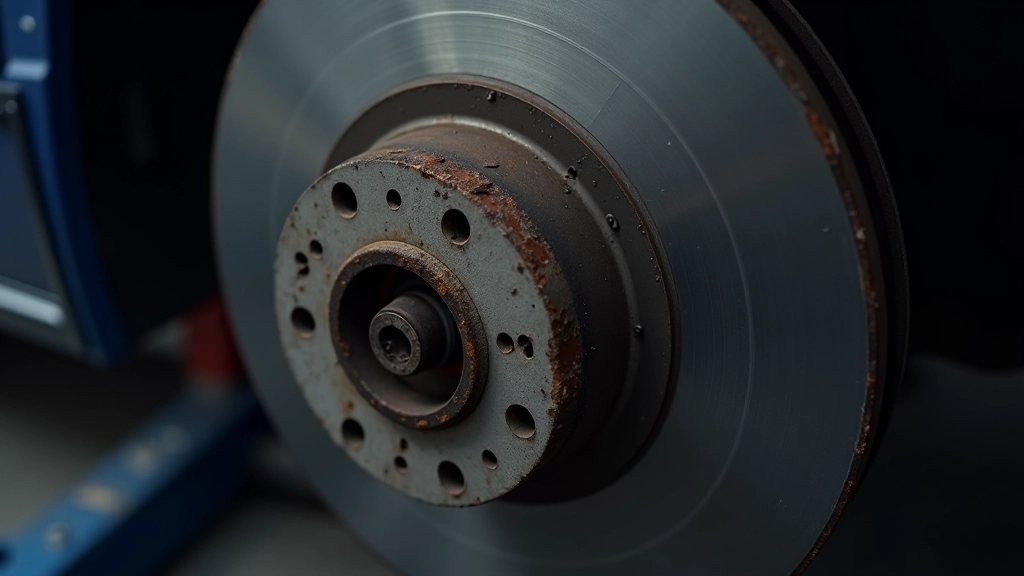
Look at your discs through the wheel spokes. If they look thinner than you remember, or you can see scoring and rust, it's time to have them checked.
Important Safety Information
This guide provides educational information about brake disc damage. It's not a substitute for professional inspection and repair. If you're experiencing any of the warning signs mentioned here, we strongly recommend having a qualified mechanic inspect your brakes before driving further. Brake safety is critical — when in doubt, get it checked by a professional.
Resurfacing vs. Replacement — What's the Difference?
When your discs are damaged, you have two options. Understanding the difference helps you make the right choice for your situation.
Resurfacing
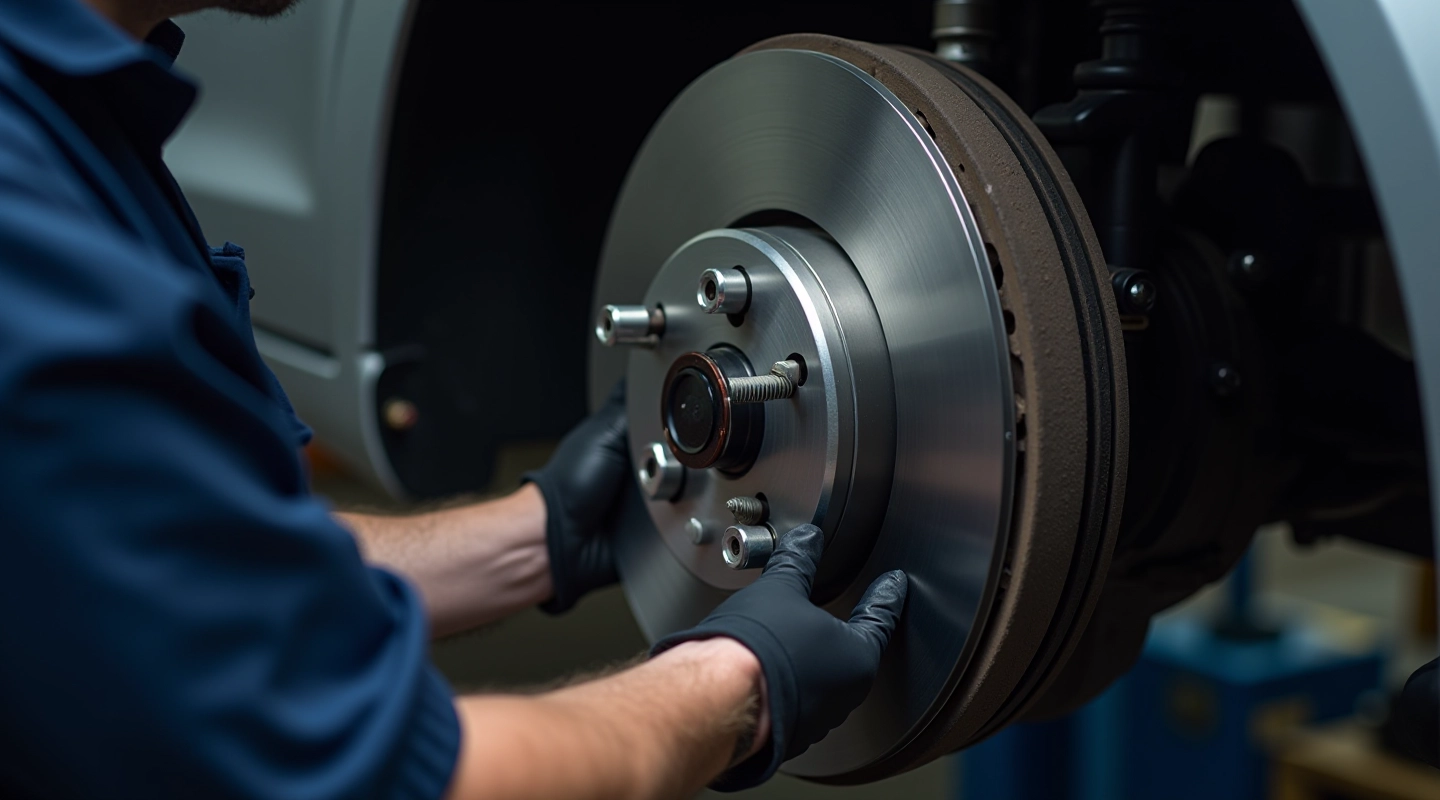
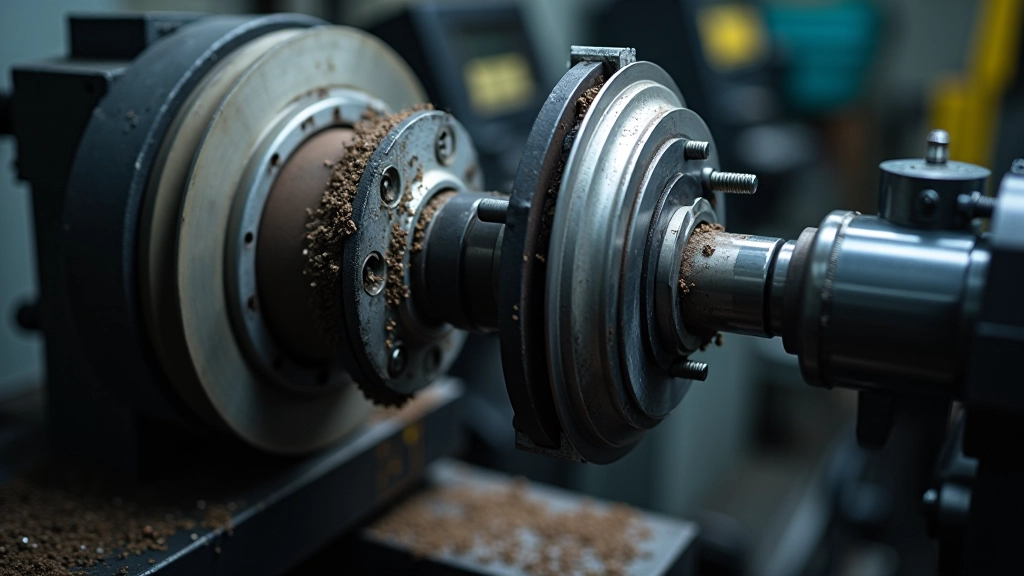
A lathe removes a thin layer from the disc surface, smoothing out minor scoring and wear. It's cheaper than replacement and works well for light damage. But there's a limit — discs have a minimum thickness spec. Once they're too thin, resurfacing isn't safe anymore.
Replacement
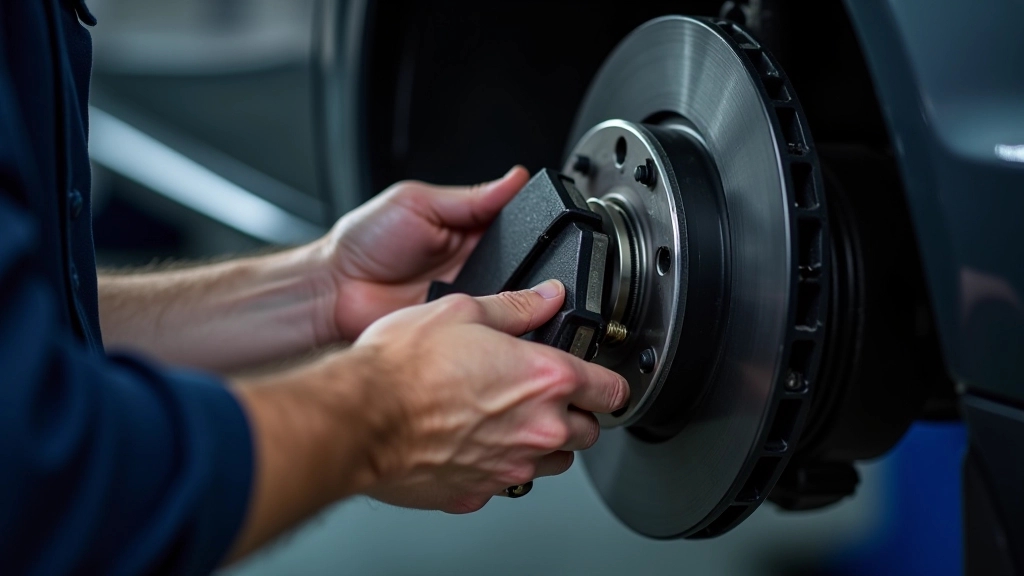
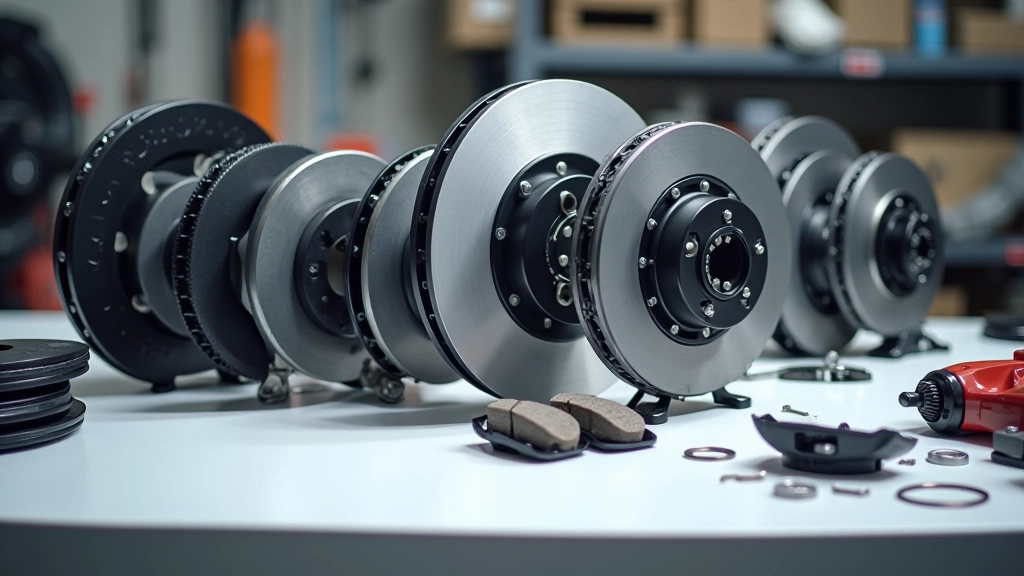
You get new discs. This is necessary for cracks, severe scoring, heat damage, or when discs are already at minimum thickness. New discs give you full braking performance and longevity. Most modern cars benefit from replacement rather than resurfacing.
Here's the thing — resurfacing is becoming less common. Many modern discs are designed as throwaway parts. Once they're worn, replacing them is often more practical than trying to resurface. Your mechanic will measure the thickness and tell you which option actually works for your car.
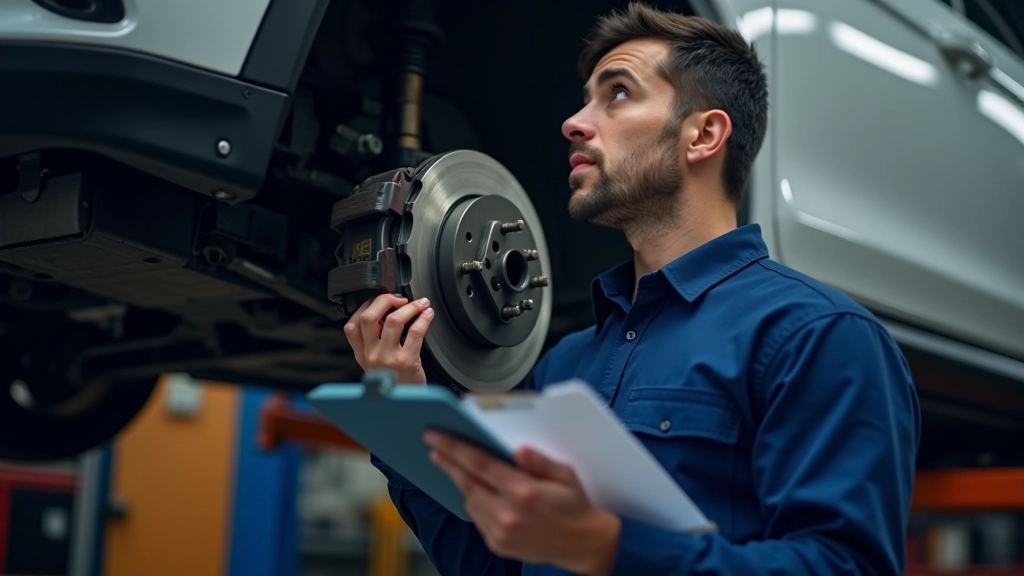
The Safety Reality
Damaged brake discs aren't a cosmetic issue. They directly affect your ability to stop your car. And stopping is kind of the most important part of driving.
A disc with cracks can fail suddenly. A glazed disc won't grip properly — you'll need more distance to stop. Severely scored discs reduce contact between pads and disc, meaning less friction and longer stopping distances. In an emergency stop, these differences matter. A lot.
For Waterford drivers especially, disc condition matters. We've got hills, tight roads, and wet conditions. Your brakes need to be reliable. Don't put off getting damaged discs inspected and replaced.
Key Takeaways
Brake disc damage includes scoring, cracks, heat damage, and glazing. Not all damage is the same — some is normal wear, some is dangerous.
Listen for grinding, feel for pulsing pedals, watch for soft braking response. These are your car telling you something's wrong.
Resurfacing works for light damage when discs are above minimum thickness. Replacement is often the better choice for modern cars and serious damage.
Brake safety isn't negotiable. If you suspect disc damage, get it inspected before driving further. It's not worth the risk.
Your brakes are your first line of safety. When something's wrong, addressing it quickly keeps you and your passengers safe on the road. That's not an expense — that's peace of mind.