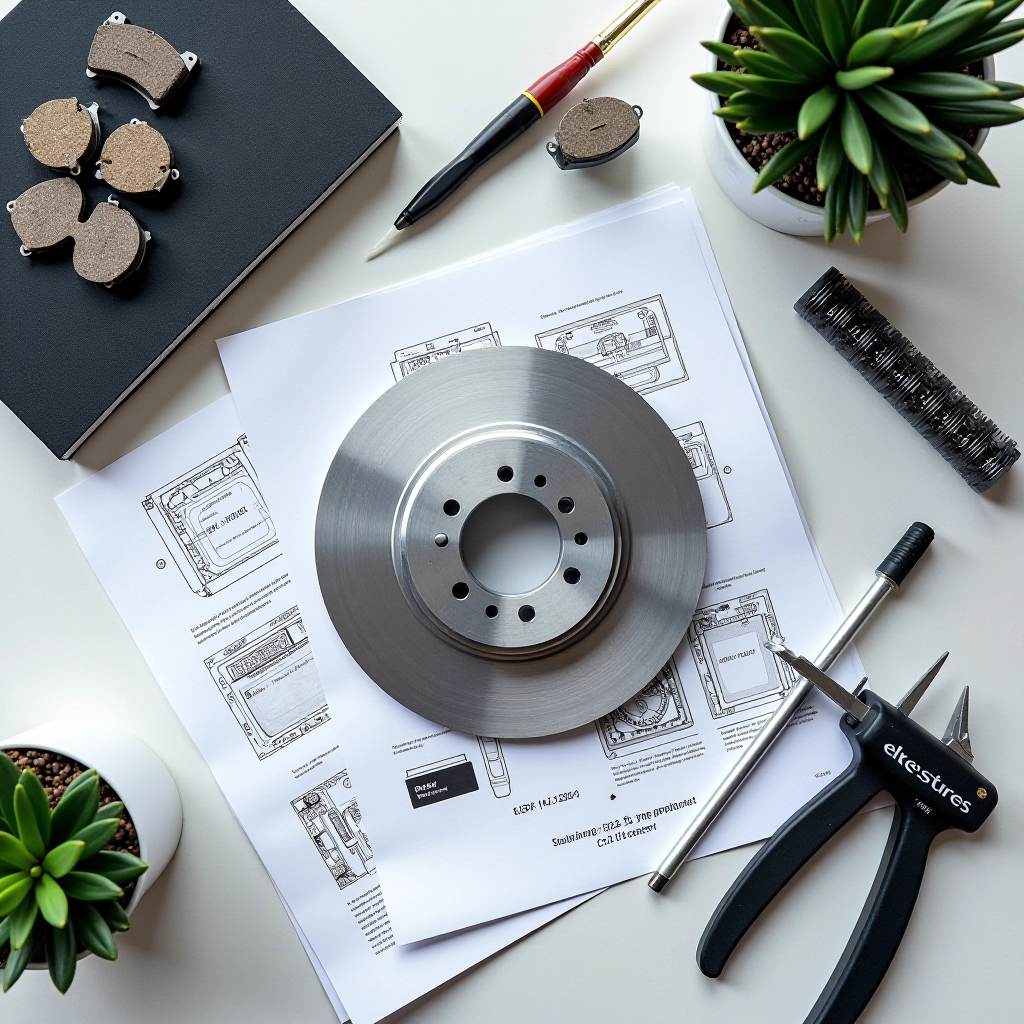
Why Complete Brake Maintenance Matters
Your brakes are the most critical safety system on your vehicle. They're not something you ignore until they squeak or fail. We're talking about scheduled maintenance, regular inspections, and knowing what's actually happening underneath your car.
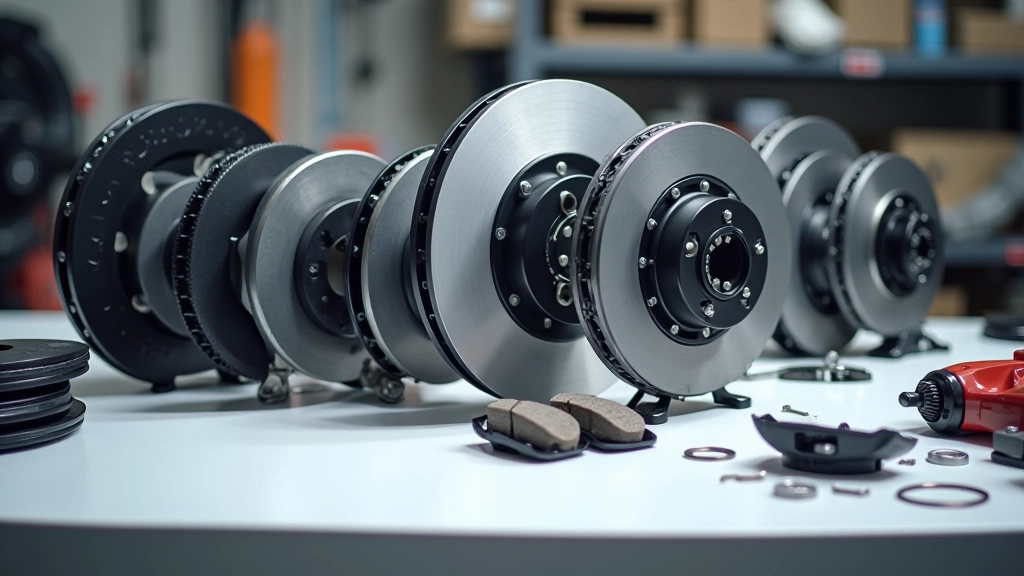
A complete brake system isn't just pads and discs. It's the fluid that transmits your foot pressure, the calipers that squeeze the pads, the lines that carry that pressure, and the rotors that stop your wheels. When you understand how these parts work together, you'll make better decisions about maintenance and repairs.
Understanding Your Brake System Components
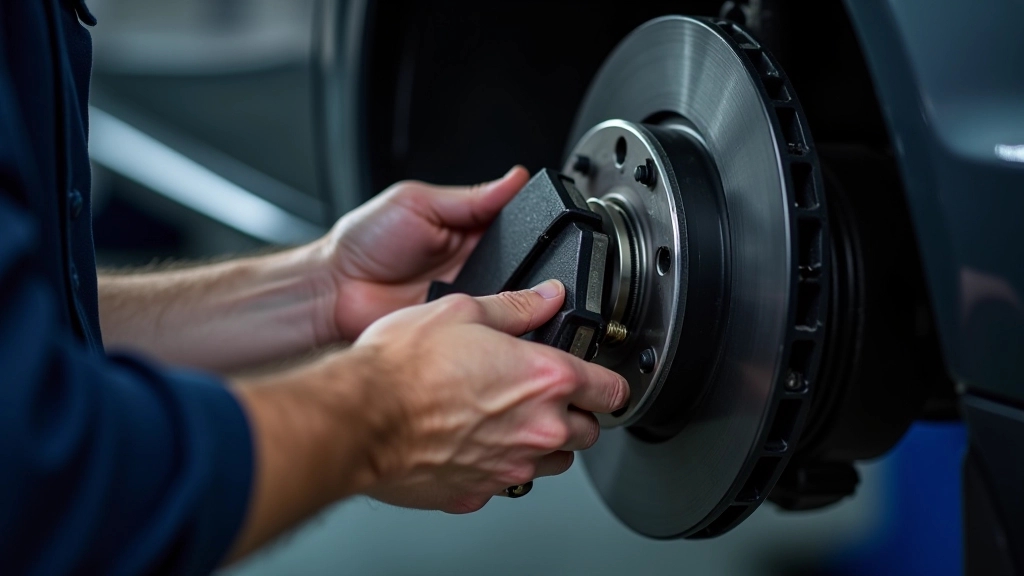
Your brake system has several key parts working together. The brake pads are the friction material that presses against the rotors. You'll typically get 25,000 to 70,000 miles out of a set, depending on your driving habits and the quality of the pads.
Brake fluid is the hydraulic medium that transfers force from your pedal to the calipers. It's not like engine oil — it doesn't really "wear out," but it does absorb moisture from the air. That's why fluid flushes matter. Over time, moisture builds up and lowers the boiling point of the fluid, which affects braking performance under hard stops or in hot conditions.
The calipers are the mechanical actuators that squeeze the pads against the rotors. When they're working properly, they apply even pressure and release completely. A stuck caliper won't release fully, which causes dragging, overheating, and accelerated pad wear on that wheel.
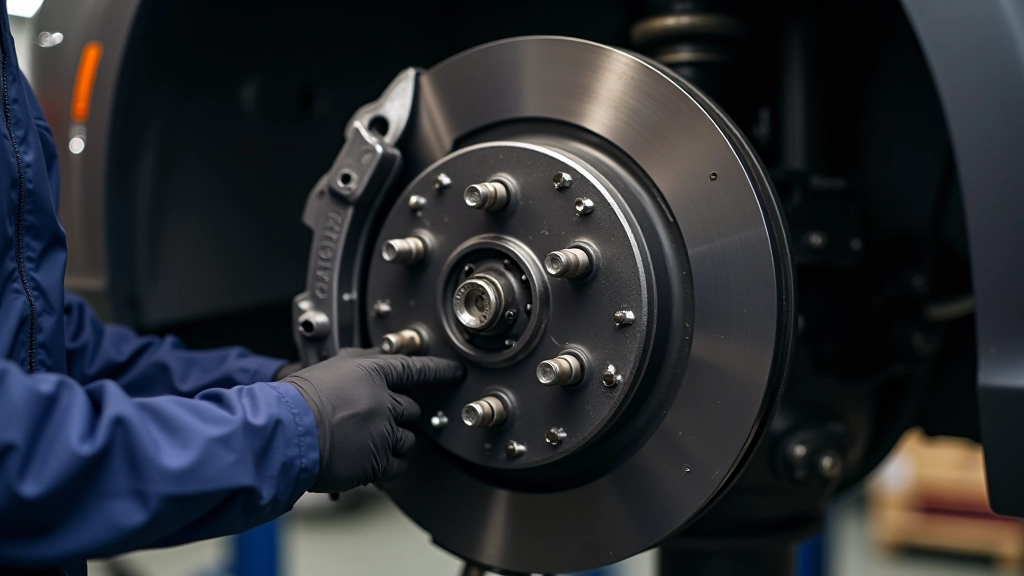
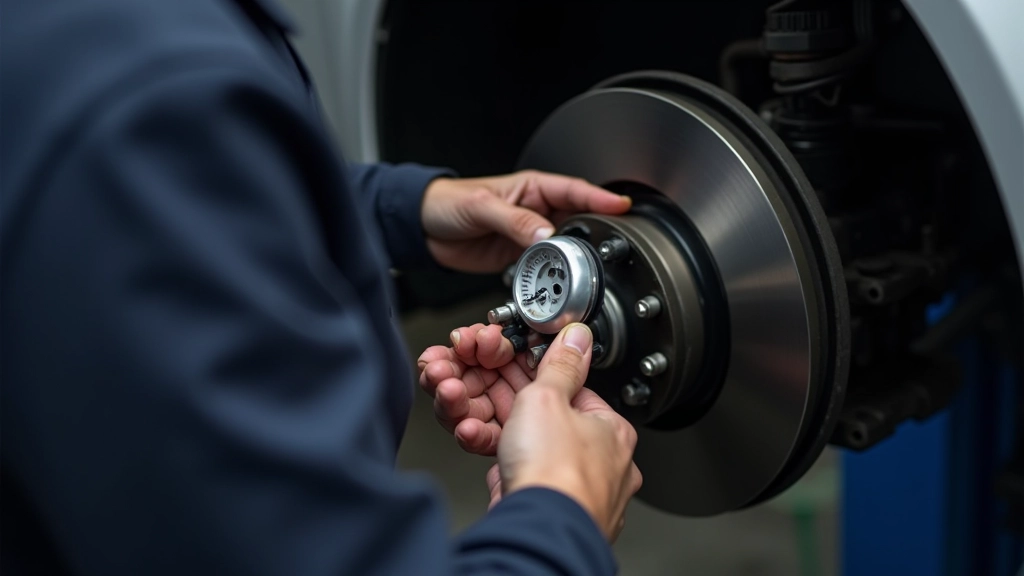
Brake Fluid Checks and Maintenance
You should check your brake fluid every month or so. Open the master cylinder reservoir and look at the level — it should be at the "full" line. If it's low, that's a sign of either a leak or normal pad wear (as pads wear, the fluid level drops slightly because the caliper pistons extend further).
Brake fluid flushes typically happen every 1-2 years, depending on your vehicle manufacturer's recommendations. Some vehicles specify 3 years, others say 2. The reason is moisture absorption — over time, brake fluid pulls water from the air and your brakes become less responsive. A complete flush removes the old fluid and replaces it with fresh fluid that has the correct boiling point and moisture content.
Don't ignore discolored fluid either. If your brake fluid looks dark brown or black instead of amber or clear, that's a sign it's absorbed too much moisture and contaminants. Get it flushed sooner rather than later.
Important Maintenance Note
This article provides general information about brake system maintenance for educational purposes. Specific maintenance schedules, fluid types, and service intervals vary by vehicle make, model, and year. Always refer to your vehicle's owner's manual or consult a qualified mechanic for your particular vehicle. If you notice any changes in braking performance, unusual sounds, or warning lights, have your brakes inspected professionally before continuing to drive.
Pad and Rotor Inspection Schedule
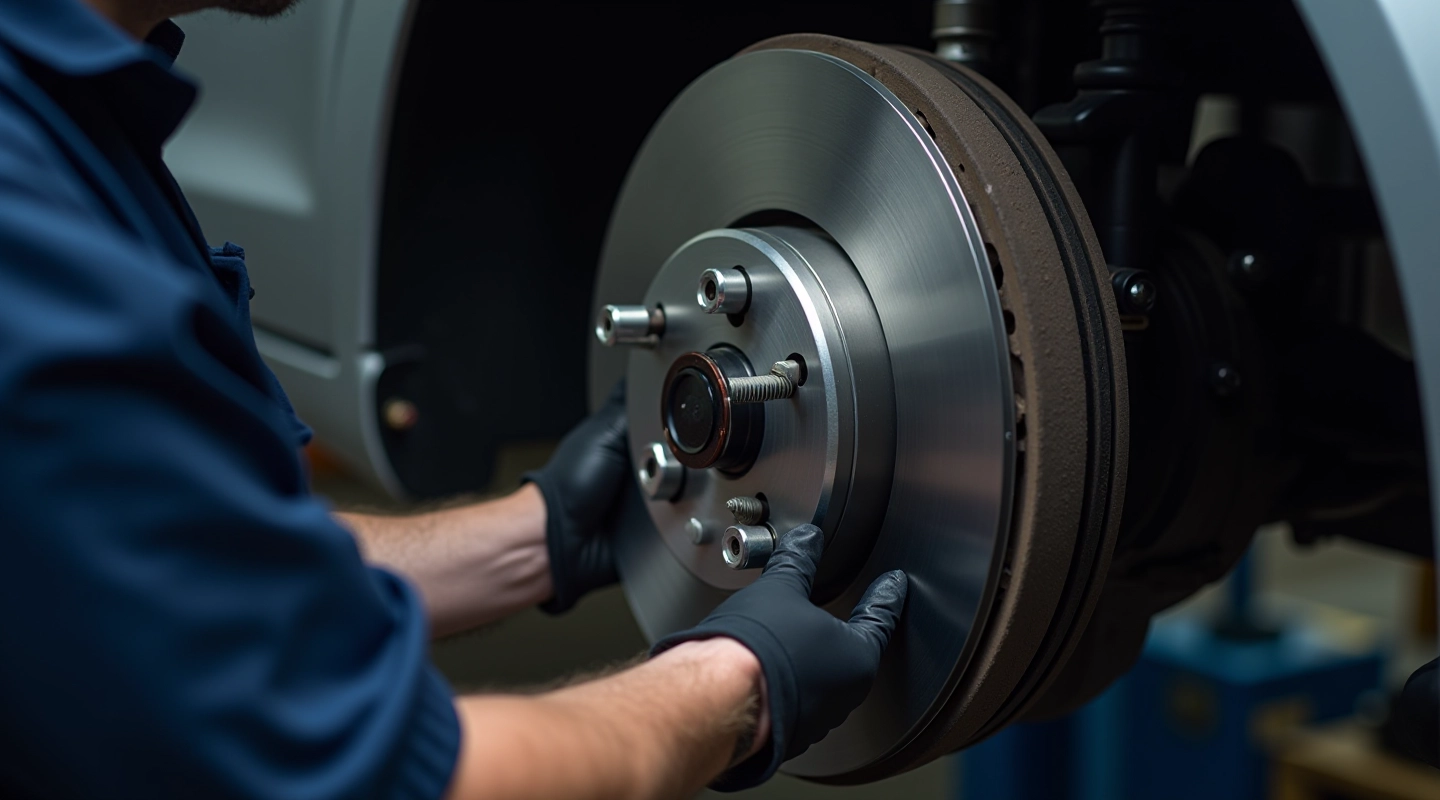
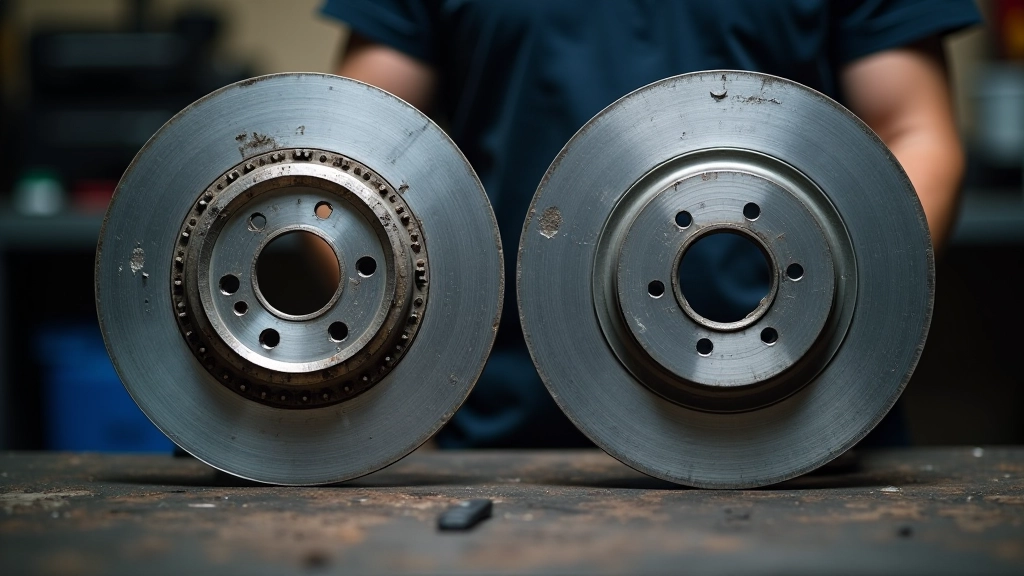
Most manufacturers recommend inspecting your brakes every 12 months or 15,000 miles, whichever comes first. During an inspection, a mechanic will measure pad thickness and look at rotor condition. Pads should be replaced when they reach about 2mm thickness. Waiting until they're completely worn down means metal-on-metal contact, which damages the rotors and increases stopping distance.
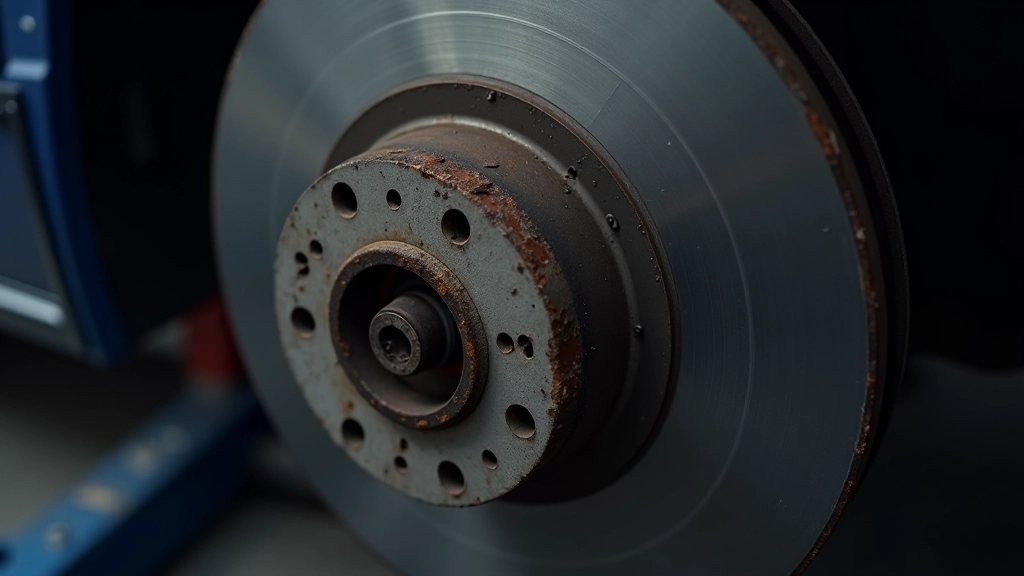
Rotors can sometimes be resurfaced if they're not too worn, but modern brake systems often require replacement instead. Resurfacing removes material and reduces the rotor's thermal capacity. If you're already replacing pads, replacing rotors at the same time is usually the better choice — it's more cost-effective in the long run because you won't be replacing pads again in a few months.
The front brakes typically wear faster than the rear. Front pads might need replacement every 25,000-50,000 miles while rear pads last 40,000-70,000 miles. This varies based on your driving style, terrain, and the type of brake pads you choose.
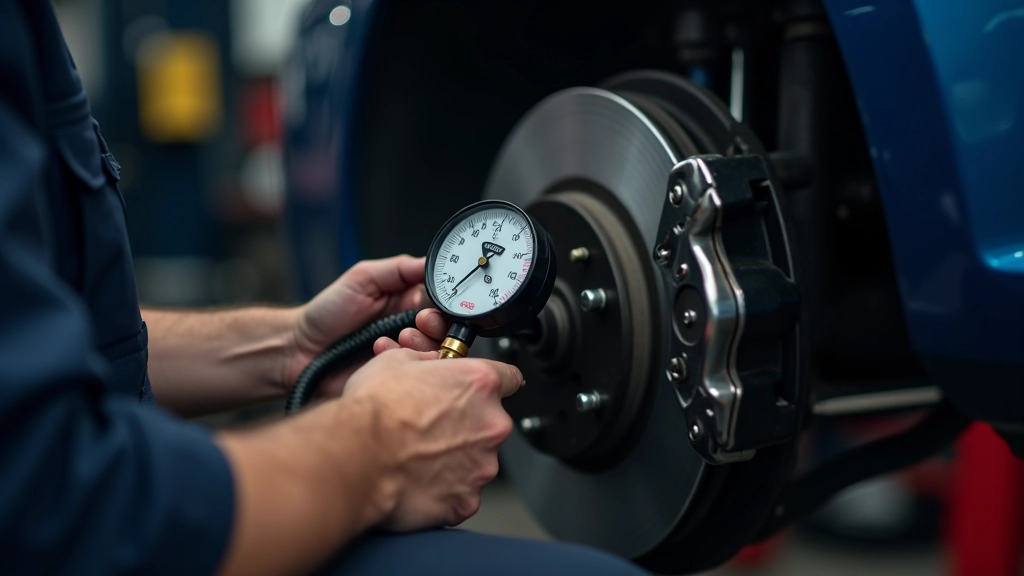
Detecting Brake Problems Early
There are warning signs you shouldn't ignore. Soft or spongy brake pedal usually means air in the brake lines or low fluid level. A hard pedal that requires extra pressure indicates a problem with the brake booster or a leak. Pulsating or vibrating when you brake suggests warped rotors or uneven pad wear.
Noise matters too. Squealing often means worn pad wear indicators or moisture on the rotors. Grinding is more serious — it means metal-on-metal contact and you've likely damaged the rotor surface. Clicking or clunking could point to a loose caliper or damaged brake hardware.
Don't wait for warning lights either. A brake warning light can indicate low fluid, a problem with the ABS system, or a failure in part of the brake circuit. Get it checked immediately. Regular inspections catch problems before they become safety issues or expensive repairs.
Keeping Your Brakes in Top Condition
Complete brake system maintenance isn't complicated, but it does require attention. Follow your manufacturer's maintenance schedule, have your brakes inspected regularly, and don't ignore warning signs. Replace fluid every 1-2 years, replace pads when they wear down, and address rotor damage promptly.
Your brakes are what keep you and your passengers safe. They deserve the same care you'd give to any critical system on your vehicle. When you stay on top of maintenance, you'll have reliable stopping power, better control, and the peace of mind that comes with knowing your brakes will perform when you need them most.